Safest States for Trans People in 2026: Legal Protections Ranked
Where is it actually safe for trans people to live in 2026? Here are the most protective states ranked by legal protections, healthcare access, and what the current federal climate means for each.
Max Shepard
Staff Writer

Safest states for trans people in 2026: what the map actually shows
The most protective states for trans people in 2026:
- Washington, comprehensive healthcare protections, shield law, refugee protections
- California, first sanctuary state for trans youth, most pro-equality laws nationally (57)
- Colorado, refugee protections, comprehensive insurance coverage for trans healthcare
- Massachusetts, strong legal protections, exceptional healthcare infrastructure
- Minnesota, strong non-discrimination laws, shield protections
- Maryland, expanded healthcare coverage, robust employer protections
- Oregon, clear gender marker change process, strong healthcare access
- Vermont, long-standing human rights framework, minimal religious exemptions
- New Mexico, high scores across LGBTQ policy categories, gender-affirming care protections
- Connecticut, Hawaii, Illinois, New Jersey, New York, Rhode Island, comprehensive protection tier
The landscape for trans people in the United States changed significantly in 2025-2026. A wave of executive orders from the federal level targeted transgender people in broad ways, affecting healthcare access, government documents, sports participation, and public facilities. The result is that the difference between living in a protective state and a restrictive one has never been larger.
This guide draws on Erin in the Morning's Anti-Trans National Legal Risk Assessment Map (February-March 2026), SafeHome.org's LGBTQ State Safety Report Cards, and the Human Rights Campaign's State Equality Index to give you the most current picture of where trans people have genuine legal protection.
The current federal context: why state law matters more than ever
In 2025-2026, federal executive orders have targeted transgender people in sweeping ways. Nonprofits have halted services for trans youth. Healthcare providers have faced federal bans through executive orders. Even in protective states, some institutions have complied with federal pressure, pausing services for new patients.
The critical distinction: state shield laws. States that have enacted shield laws protecting gender-affirming care providers from out-of-state legal action, and state attorneys general who actively enforce those protections, offer meaningfully different conditions than states that have not.
No state is fully insulated from federal pressure in 2026. But the gap between most protective states and the rest is real and documented.
Most protective states: the tier-one list
According to Erin in the Morning's March 2026 risk assessment, the most protective states for transgender individuals are: California, Colorado, Connecticut, Hawaii, Illinois, Massachusetts, Maryland, Maine, Minnesota, New Jersey, New Mexico, New York, Oregon, Rhode Island, Vermont, and Washington.
These states share several characteristics:
- Comprehensive non-discrimination protections in employment, housing, and public accommodations
- State-level shield laws protecting gender-affirming care providers from out-of-state lawsuits
- Refugee protections for individuals fleeing restrictive states
- Active state attorney general enforcement of existing protections
- Healthcare insurance mandates covering gender-affirming procedures
Here is what makes the top states specifically strong:
Washington State
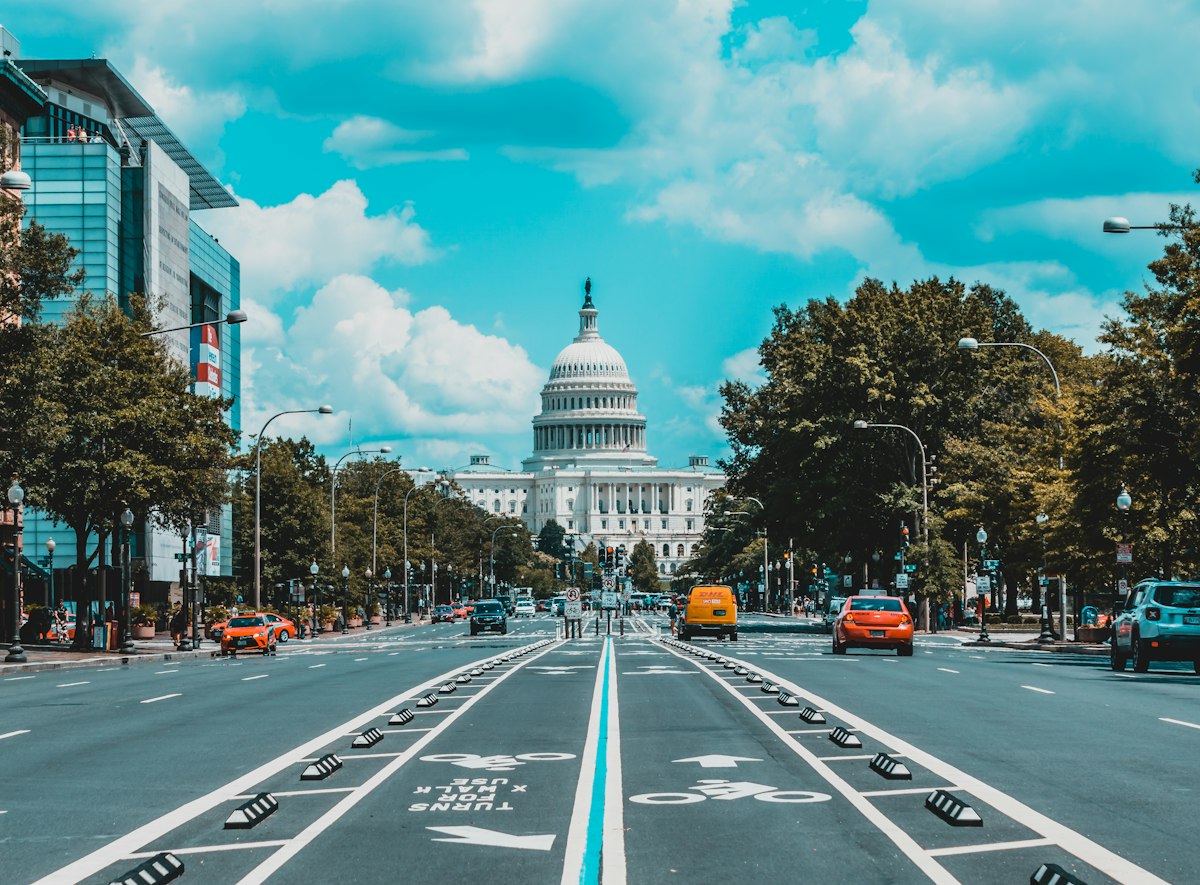
Washington consistently ranks near the top. State law protects gender identity and sexual orientation in housing, employment, and public accommodations. In 2023, Washington enacted a shield law protecting access to gender-affirming care. The law prohibits healthcare providers from denying treatment or discriminating based on gender identity.
Washington also offers refugee protections for trans people fleeing restrictive states, and state insurance mandates include comprehensive coverage for gender-affirming healthcare including procedures that many other states' plans exclude.
The practical reality: Seattle has one of the largest and most established trans communities in the country. Access to specialized healthcare providers is strong. The cost of living is high, particularly in Seattle proper, but the state's legal infrastructure is among the strongest available. For a full picture of what living in Washington State looks like including cost and job market, see our moving from California to Washington State guide.
California

California was the first state to declare itself a sanctuary state for transgender youth and has more pro-equality laws on its books than any other state, 57 as of the most recent Human Rights Campaign count. SafeHome.org gives California a near-perfect score in its LGBTQ safety rankings.
California's protections are among the most comprehensive: non-discrimination across all major categories, active enforcement by the state attorney general, healthcare insurance mandates, and strong school protections. The state's size and population density mean that specialized healthcare providers are accessible across most of the state, not just in major cities.
The trade-off is cost. California is the most expensive state on this list by a wide margin. For trans people whose relocation decision balances safety and financial sustainability, other states on this list may offer a better overall picture. See our best states for LGBTQ people for a broader look at the full LGBTQ policy comparison across all 50 states.
Colorado

Colorado has emerged as one of the primary refuge destinations for trans people fleeing restrictive states. The state offers refugee protections, comprehensive healthcare insurance coverage including an expanded range of procedures, and active state-level enforcement.
Denver's trans community is large and well-established. The overall quality of life, access to the outdoors, a relatively affordable cost of living compared to coastal states, strong job market, makes Colorado particularly compelling for relocation. For a full breakdown of what moving to Colorado looks like financially, see our moving from California to Colorado guide.
Some clinics in Colorado have dropped transgender care under federal pressure in 2025-2026. This is a documented issue in multiple states on this list. Researching specific providers in your target city before moving is more important than it was two years ago.
Massachusetts

Massachusetts combines strong legal protections with healthcare infrastructure that is genuinely exceptional. The state's hospital system includes specialists and research centers that make it one of the best states in the country for accessing gender-affirming healthcare.
State law protects gender identity in employment, housing, and healthcare. The attorney general has been active in enforcement. Boston has a large and visible trans community with robust community organizations.
The cost of living in Boston and the surrounding metro is high. Western Massachusetts cities like Northampton have strong LGBTQ communities at lower cost and are worth researching.
Oregon and Vermont

Oregon has some of the clearest trans-friendly policies available. It allows easy gender marker changes, protects access to gender-affirming care through shield law protections, and limits religious refusal exemptions. The legal clarity reduces everyday friction.
Vermont has prioritized human rights for decades. State law supports gender-affirming healthcare, protects trans people from discrimination, and limits religious exemptions. While rural areas with varying local cultures exist, Vermont's statewide legal framework makes it one of the most consistently safe environments available.
Low-risk states: a middle tier
The states that Erin in the Morning's March 2026 assessment categorizes as lower risk for transgender adults (though not most protective) include Arizona, Delaware, Michigan, Nevada, Pennsylvania, Wisconsin, and Washington DC.
These states have largely avoided targeting transgender adults specifically, though most have not enacted comprehensive protective legislation either. Michigan and Nevada have enacted non-discrimination protections but have gaps in healthcare equity and protections for incarcerated trans individuals.
Important note: Arizona and Pennsylvania have both deteriorated in this assessment. Arizona has enacted policies affecting transgender youth. Pennsylvania's athletic association has enacted sports bans. Both states have seen clinic closures for transgender youth. They remain lower risk for transgender adults specifically, but the situation is not static.
The healthcare access reality in 2026
Legal protections and healthcare access are related but not identical. Some institutions in even the most protective states have complied with federal pressure and paused services for trans patients.
In New York, NYU Langone halted services for new patients and as of the most recent reporting had not fully resumed them. This is one of the state's largest providers of gender-affirming care.
The practical implication: researching specific healthcare providers in your target city, not just the state's legal status, is essential before committing to a move. Calling clinics directly and asking about current service availability for new patients is the most accurate way to assess local access.
States with the strongest combination of legal protection and documented healthcare availability for new patients in 2026: Washington (especially Seattle), Massachusetts (Boston), Minnesota (Twin Cities), and Oregon (Portland).
Cost of living vs protection: the realistic trade-off
The most protective states are concentrated in the Northeast and Pacific Coast, the most expensive parts of the country. This creates a real tension for trans people whose relocation decision involves both safety and financial sustainability.
Highest protection, higher cost: California, Massachusetts, New York, Washington, Oregon
Strong protection, more moderate cost: Colorado, Minnesota, New Mexico, Maryland, Connecticut
Strong protection, lower cost: Vermont (rural areas), Maine, Oregon (outside Portland)
Lower risk for adults, lower cost: Nevada, Michigan
For trans people who also prioritize tax savings alongside safety, Nevada has zero income tax and falls in the lower-risk tier. See our best states with no income tax guide for how Nevada compares to other zero-tax states on the full financial picture.
For trans people relocating from high-cost states like California, the internal move within protective states might involve choosing between high-cost urban centers with maximum healthcare access (San Francisco, Seattle, Boston) and lower-cost areas within the same state that may have fewer specialized providers.
For trans people relocating from restrictive states, even a lower-protection state like Michigan or Nevada represents a significant improvement in day-to-day safety, with meaningfully lower cost of living than the top-tier protective states.
Which state fits your specific situation
If healthcare access is the top priority: Massachusetts, Washington, or Minnesota. All three have high concentrations of experienced providers and state-level insurance mandates that cover a broad range of procedures.
If cost of living matters alongside protection: Colorado, New Mexico, or Vermont. All three are in the most protective tier with more manageable housing costs than California or New York.
If you are moving from a highly restrictive state and want maximum protection: California or Washington. Both have the most comprehensive legal infrastructure and have been most aggressive about countering federal pressure.
If you want smaller-city or rural options within protective states: Northampton, MA; Burlington, VT; Ashland, OR; Taos, NM; and Olympia, WA all have strong trans communities outside major metros.
If you are a trans person considering moving to a state covered elsewhere on this site: North Carolina, Tennessee, and Texas are not in protective tiers. Florida is among the most restrictive states in the country for trans people. Our moving from California to North Carolina guide and is Texas a good place to live guide include sections on political and cultural environment that are relevant for this decision.
Practical checklist for trans people relocating
Legal documentation:
- Many protective states allow easy gender marker changes on driver's licenses without requiring surgery
- Washington, California, Oregon, and several other protective states allow X markers on state IDs
- Updating federal documents (passport, Social Security) follows federal rules regardless of state, and federal policy has changed significantly in 2025-2026, verify current procedures before beginning the process
Healthcare:
- Contact specific providers in your target city before finalizing your move decision, not just the state's general policy
- Ask specifically: are you currently accepting new patients for gender-affirming care?
- Ask about insurance acceptance and what your specific plan covers in that state
Community:
- Reddit communities for your target city are useful for current, ground-level information about community resources and provider availability
- Trans-specific subreddits often have relocation threads with current firsthand information
FAQ
What are the safest states for trans people in 2026?
The most protective states according to the February-March 2026 Anti-Trans National Legal Risk Assessment Map are: California, Colorado, Connecticut, Hawaii, Illinois, Massachusetts, Maryland, Maine, Minnesota, New Jersey, New Mexico, New York, Oregon, Rhode Island, Vermont, and Washington. These states have comprehensive non-discrimination protections, shield laws for healthcare providers, and active enforcement by state attorneys general.
Which state is the best for trans healthcare access in 2026?
Washington, Massachusetts, and Minnesota combine the strongest legal protections with the highest concentration of experienced providers and state insurance mandates covering comprehensive gender-affirming procedures. In all three states, specialized healthcare is accessible beyond just the largest cities.
Are any states fully safe for trans people in 2026?
No state is fully insulated from federal pressure. Even in the most protective states, some institutions have complied with federal executive orders and paused services. The difference between protective and restrictive states is real and significant, but the landscape requires ongoing monitoring and direct verification with specific providers.
What states should trans people avoid?
Florida, Texas, and most of the Deep South have enacted the most extensive anti-trans legislation. The 2026 risk assessment categorizes most of these states as highest risk. Many have enacted laws restricting gender-affirming healthcare, bathroom access, and legal gender recognition.
Does living in a protective city in a restrictive state provide real protection?
Partially. Cities can provide community and sometimes local protections, but state law governs healthcare access, legal gender recognition, and protections outside city limits. A trans person in Austin, Texas benefits from Austin's culture but remains under Texas state law. For trans people who need healthcare access or whose safety depends on legal protections, state law matters more than city culture.
Related Articles

Why People Hate North Carolina: Hard To Believe
Why is everyone hating on North Carolina? We surveyed over 100 people from this state and put their responses together in this article.

Why People Hate Florida: My Opinion
Why do people hate Florida? Insurance costs, humid, traffic, bugs, and housing. The list of reasons from people who actually live there.

Full Guide On Moving From California 2026
This is the root for all the articles we have written about moving from California to different destinations. If you have ever asked yourself, 'What is the best place to move from California?', then this article is definitely for you. Take your time and enjoy reading it!