Is Texas a Good Place to Live in 2026? The Honest Answer
Is Texas a good place to live? The honest answer depends on who you are. Here is the complete picture, jobs, taxes, heat, property taxes, healthcare, and which type of person Texas actually works for.
Max Shepard
Staff Writer
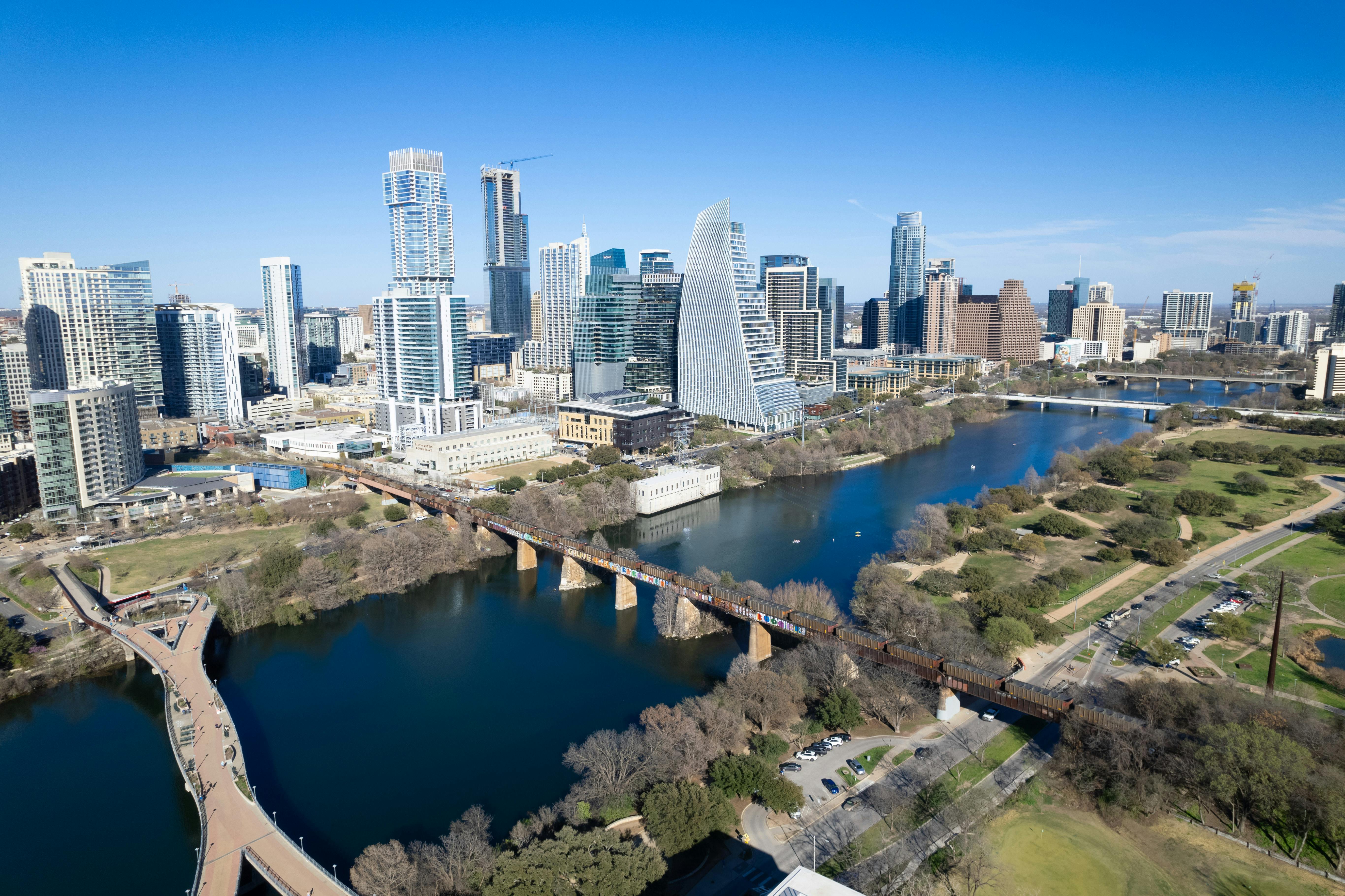
Is Texas a good place to live? It depends on who you ask
Texas adds more new residents than almost any other state in the country. It also sends more people packing back to where they came from than most people expect. Both of these things are true simultaneously, and they point to the same conclusion: Texas is an exceptional place to live for a specific type of person and a genuinely bad fit for another.
The question "is Texas a good place to live" gets answered differently by a tech worker who moved from San Jose to Austin and saved $15,000 in taxes their first year versus a Bay Area transplant who moved to Houston in June and spent three months unable to go outside after 9am. Both experiences are real.
The cost of living in Texas is about 5% below the national average as of 2026, the job market is the strongest in the Sun Belt, and zero income tax puts real money back in your pocket immediately. These are genuine advantages. The summer heat, property taxes, power grid vulnerabilities, and car dependency are genuine disadvantages. This guide gives you both sides without the sales pitch.
The case for Texas: what genuinely works
Zero state income tax
Texas has no state income tax, constitutionally protected, and this creates real financial benefit for anyone earning above roughly $60,000 per year.
A household earning $120,000 moving from California saves approximately $7,000-$10,000 per year. A household earning $200,000 saves $13,000-$20,000. This is not a marketing claim, it shows up in your paycheck starting day one of Texas residency.
For remote workers keeping a California or New York salary while living in Texas, the arbitrage is even more powerful. Same income, dramatically lower taxes, dramatically lower housing costs.
The job market is genuinely deep
Texas is home to 53 Fortune 500 companies. The economy spans tech, energy, healthcare, finance, aerospace, logistics, and manufacturing in a way that few other states match. Losing a job in Texas typically means finding another in the same city rather than needing to relocate.
Austin has become a real tech hub with Apple, Google, Meta, Tesla, Oracle, and Dell all having major presences. Dallas-Fort Worth dominates corporate and finance. Houston anchors energy and healthcare. San Antonio has military, healthcare, and growing tech. The breadth and redundancy of the Texas job market is a genuine career advantage.
Housing is still accessible outside Austin
The state average home price in Texas is $297,592, below the national average of $360,591, meaning buyers can often get more space and value without giving up access to strong job markets and schools.
Dallas suburbs like Frisco, Plano, and McKinney offer family infrastructure at $400,000-$500,000. Houston's suburbs like Sugar Land and The Woodlands deliver comparable quality at lower prices. San Antonio remains the most accessible major Texas city at roughly $257,000 median. Only Austin has broken out of this affordability range, with median prices around $500,000-$520,000.
For people moving from California, New York, or the Northeast, Texas housing feels dramatically cheaper even in the expensive suburbs. A $500,000 budget that gets you a townhouse in many California cities gets you a 4-bedroom house with a yard and pool in the Dallas suburbs.
The lifestyle is genuinely good for the right person
Texas has state parks, Hill Country hiking, rivers for kayaking, lakes for boating, Gulf Coast beaches, and an outdoor culture that exists year-round, just not at midday in July. The food scene in Austin, Houston, and Dallas is nationally recognized. The BBQ alone is worth a plane ticket. The cultural diversity in Houston particularly rivals any major American city.
Southern hospitality is not a cliché. Texans are known for their Southern hospitality, whether you're in a small town or a major city, people are generally warm, welcoming, and willing to lend a hand. Most transplants report making friends more easily in Texas than they expected.
The case against Texas: what genuinely does not work
The summer heat is a category of its own
This is the single most common reason people leave Texas after moving, and it is consistently underestimated before the move.
Texas summers are not "warm weather." From June through September, Dallas and Austin regularly hit 100-105°F. Houston adds 75-80% humidity to that equation, creating conditions where outdoor activity between 9am and 7pm is genuinely uncomfortable or dangerous. The heat is not a minor inconvenience, it restructures daily life for four months of the year.
People from coastal California, the Pacific Northwest, or the Upper Midwest report the adjustment as significantly harder than expected. People from Florida, Arizona, or the Gulf South typically adjust more easily because they have experienced comparable heat before.
The electricity bill in summer is a real budget item. In the winter you might pay $100 or less, but in July and August you should expect to pay $300 to $500 to cool a standard house. Annual average electricity costs in Texas run around $181 per month, with summer months pushing well above that.
Property taxes will surprise you
Texas has no income tax but averages 1.6-2.2% annual property taxes on assessed value, among the highest in the country. On a $400,000 home that is $6,400-$8,800 per year. On a $600,000 home in Austin, it is $9,600-$13,200 annually.
For renters, this is irrelevant. For homeowners, the property tax bill can narrow or eliminate the income tax savings depending on the home value and your income level. A $100,000 earner buying a $600,000 Austin home saves roughly $5,700 in income taxes but pays roughly $3,000-4,000 more in property taxes than they would in California. The net benefit is real but much smaller than the headline "no income tax" suggests.
The general rule: the higher your income relative to your home value, the better the Texas math works.
The power grid is a documented vulnerability
The 2021 winter storm killed over 200 Texans when the ERCOT grid failed during a freeze. The grid operates independently from the national grid with limited ability to import power from neighboring states during emergencies. Since 2021, infrastructure has been reinforced, but the fundamental architecture remains the same.
In 2026, Texas electricity demand is projected to grow significantly due to data center expansion and population growth. The system has more capacity than in 2021 but runs increasingly close to limits during peak summer demand. This is not a hypothetical risk, it is a documented and ongoing issue that every Texas homeowner should understand and prepare for.
Car dependency at Texas scale
Unlike cities in the Northeast, Texas doesn't have an extensive public transportation system, making a car necessary in most areas.
This is not a minor lifestyle consideration. In Houston especially, the distances between where you live, work, shop, and socialize require a car for virtually every trip. A 45-minute commute each way is considered normal in the major metros. The sprawl is real and persistent, and no amount of urban investment is likely to fundamentally change it in the next decade.
For people who moved to California specifically for the ability to walk or use transit, Texas feels confining. For people who grew up in car-dependent suburbs anywhere in the country, it feels normal.
Healthcare access is below average
Texas often ranks as one of the worst states in America for proper healthcare. Texas has the highest rate of uninsured residents in the country at 16.3%.
Texas has excellent hospitals in its major cities, Texas Medical Center in Houston is the largest medical complex in the world, UT Southwestern in Dallas is world-class, and major systems operate in Austin and San Antonio. But the state-level healthcare infrastructure, insurance market, and rural healthcare access are genuinely below average nationally. This matters more for retirees and families with health conditions than for healthy young professionals.
The political environment is part of daily life
Texas runs significantly more conservative than most of the states people are moving from. This is not just an abstract political disagreement, it affects policy on reproductive rights, LGBTQ protections, gun laws, and public education in ways that touch daily life for many residents.
The major cities (Austin, Dallas, Houston) are politically mixed with urban progressive leanings. State government is solidly conservative. For people who came from states where the urban political culture and state government were aligned, this split takes adjustment.
Is Texas a good place to live by city?
Austin

The most California-like Texas city. Tech culture, live music, outdoor recreation at Barton Springs and the Greenbelt, progressive urban politics. The best cultural match for most transplants from coastal cities.
The financial case has weakened. Austin is no longer cheap. Median home prices around $500,000, significant traffic, and a cost of living that has risen to roughly 10% above the national average. Still a genuine quality of life destination, just not the financial slam dunk it was five years ago.
Dallas-Fort Worth

The pragmatic Texas choice. Massive corporate economy, excellent suburbs with strong schools, broad job market across multiple industries. Less culturally distinctive than Austin but more financially accessible and more career-diverse.
Best for: families, corporate professionals, people who want big-city infrastructure at accessible prices. See our best neighborhoods in Austin guide for a comparison of Austin living specifically.
Houston

The most affordable, most diverse, and most humid major Texas city. The best cultural match for people from Miami or international backgrounds. The Texas Medical Center anchors the best healthcare ecosystem in the state. Maximum financial value at median home prices around $340,000.
The adjustment from drier or cooler climates is the largest of any Texas city due to humidity and flooding risk.
San Antonio

The underrated option. Median home prices around $257,000, genuine cultural character built on its Mexican-American heritage, the River Walk, and a military community that gives the city stability. Less dynamic job market than Austin or Dallas, but the financial picture is the most accessible of any major Texas city.
Who Texas actually works for
Texas is a genuinely excellent place to live if:
- You earn above $100,000 and want to keep more of it
- You are a family wanting good suburban schools and space at accessible prices
- You work in tech, energy, healthcare, finance, or logistics
- You grew up in a warm-weather, car-dependent environment and that feels normal
- You value community warmth and are comfortable in a culturally conservative state
- You plan to rent rather than buy, capturing the full income tax advantage
Texas is a difficult fit if:
- You oriented your lifestyle around walkability, transit, or urban density
- You are moving from a Pacific Coast climate and underestimate the heat
- You are buying an expensive home where property taxes narrow the income tax advantage significantly
- You have significant health conditions or rely on state healthcare access
- The state's political and cultural direction is incompatible with your daily life
For a deeper look at what life in Texas actually looks like from the perspective of people who have made the move, and some who moved back, our why people hate Texas article gives the unfiltered version.
Texas vs other popular relocation destinations
| Factor | Texas | Tennessee | North Carolina | Florida |
|---|---|---|---|---|
| Income tax | 0% | 0% | 3.99% flat | 0% |
| Property tax | 1.6-2.2% | 0.67-0.71% | 0.80% | 0.83-0.89% |
| Summer heat | Extreme | Hot, humid | Hot, humid | Hot, humid |
| Housing cost | Below nat avg | 10% below nat avg | Near nat avg | Near nat avg |
| Job market | Strongest | Nashville strong | Research Triangle | Healthcare/tourism |
| Outdoor access | Limited (public land) | Great Smokies | Blue Ridge, Atlantic | Beaches |
Tennessee actually beats Texas on the overall tax picture for homeowners. Zero income tax plus property taxes of only 0.67-0.71% creates better total outcomes for buyers at most price points. North Carolina's 3.99% income tax is offset by significantly lower property taxes and better outdoor access.
For the full comparison of Texas against other states you might be considering, our best states to move to from California and moving from California to Texas guides go deeper on the specific numbers.
FAQ
Is Texas a good place to live in 2026?
For the right profile of person, yes, genuinely one of the best options in the country. Zero income tax, a massive job market, and housing below the national average create real financial advantages. The trade-offs are real too: extreme summer heat, high property taxes for homeowners, car dependency, and below-average healthcare access at the state level. Whether Texas is good for you specifically depends on your income, lifestyle preferences, and tolerance for heat.
Is Texas cheaper than California?
Significantly, yes. Texas cost of living runs about 5% below the national average while coastal California runs 50-90% above it. The income tax difference alone saves most households $7,000-$20,000 per year. Housing is 40-60% cheaper than coastal California in most Texas cities except Austin. The main offset is property taxes, which are higher in Texas than California for homeowners at comparable prices.
What are the biggest downsides of living in Texas?
Summer heat from June through September, property taxes averaging 1.6-2.2% of home value, the power grid's documented vulnerabilities, total car dependency, and below-average state-level healthcare access. These are the consistent complaints from Texas residents and transplants who found the state was not the right fit.
Which Texas city is best to live in?
Austin for tech workers and people who want cultural energy close to California norms. Dallas-Fort Worth for families, corporate careers, and the best combination of affordability and suburban quality. Houston for maximum affordability, diversity, and the energy/healthcare job market. San Antonio for the lowest housing costs and a relaxed pace with genuine cultural character.
Is Texas good for families?
Generally yes. Dallas suburbs (Frisco, Plano, McKinney, Allen) consistently rank among the best places in the country to raise a family, strong schools, safety, space, and community infrastructure. San Antonio and Houston have strong family communities. Austin is family-friendly but expensive. The school quality varies significantly by district, so researching specific areas matters.
Is Texas a good place to retire?
For financially motivated retirees, yes. No income tax, no tax on retirement income of any kind, warm winters, and major healthcare centers in the big cities. The concerns for retirees are the summer heat, the state's below-average healthcare insurance coverage, and property taxes on higher-value homes. Florida is the more common retirement choice for comparable tax benefits with better winter weather and beach access.
Related Articles

Why People Hate North Carolina: Hard To Believe
Why is everyone hating on North Carolina? We surveyed over 100 people from this state and put their responses together in this article.

Why People Hate Florida: My Opinion
Why do people hate Florida? Insurance costs, humid, traffic, bugs, and housing. The list of reasons from people who actually live there.

Full Guide On Moving From California 2026
This is the root for all the articles we have written about moving from California to different destinations. If you have ever asked yourself, 'What is the best place to move from California?', then this article is definitely for you. Take your time and enjoy reading it!