How to Get an Apartment in a New State Before Moving: Complete 2026 Guide
How to get an apartment in a new state before you move: the exact process, timeline, documents you need, how to rent sight unseen, and what landlords actually want.
Max Shepard
Staff Writer

How to get an apartment in a new state before moving
Getting an apartment in a new state before you move is entirely possible in 2026. The process is more streamlined than it was five years ago, with virtual tours, digital applications, and electronic lease signing making it routine for landlords to rent to out-of-state applicants. The key is starting early, having the right documents ready, and understanding what landlords are actually looking for when they cannot meet you in person.
Here is the exact process that works.
Step 1: start your search at the right time

Start your search four to six months before your planned move date if you are relocating out of state. It may seem early, but the timeline is important.
Most apartments are listed 30 to 60 days before they become available. If you plan to move in August, you should start looking in June and July, and ideally research neighborhoods in April and May.
For most renters, starting your search 60 to 90 days before your move date is ideal. You can research and shortlist neighborhoods earlier than 90 days, but most landlords won’t hold a unit for more than 60 days.
The practical timeline:
- 4-6 months out: research neighborhoods, set budget, understand the market
- 2-3 months out: start actively browsing listings, schedule virtual tours
- 6-8 weeks out: apply to apartments you are serious about
- 30 days out: sign lease, arrange move-in date
Step 2: research neighborhoods before you research apartments

The biggest mistake that out-of-state apartment hunters make is focusing on apartments before getting to know the neighborhoods. A great apartment in the wrong area can cost you commute time, satisfaction in your lifestyle, and sometimes even money if you break the lease early.
How to research a neighborhood remotely:
Google Street View lets you walk the streets virtually. Check the area around the apartment at different times of day if the imagery allows. Look at what businesses are nearby, what the street quality is like, and whether the surrounding area matches what you want.
Reddit is underrated for this. Subreddits for your destination city (r/raleigh, r/Austin, r/nashville, r/Charlotte) have years of archived answers to "what neighborhood should I live in" questions from people in your exact situation. Search the subreddit before posting, the question has been answered many times.
YouTube neighborhood tours from local real estate agents and residents give you a street-level feel that photos cannot. Search "[city name] neighborhood tour" and you will find dozens of videos.
CrimeGrade.org gives a color-coded safety breakdown by neighborhood that is more useful than raw crime statistics for comparing areas quickly.
Step 3: prepare your rental documents before you start applying

Out-of-state applicants get rejected more often than local applicants because landlords perceive them as higher risk. The way to counteract this is to have every document ready to submit instantly when you find the right place. Good apartments in competitive markets get applications within hours.
Documents every landlord will want:
- Government-issued photo ID
- Two most recent pay stubs or proof of income
- Last two to three months of bank statements
- Offer letter from your new employer if you are relocating for a job
- Previous landlord contact information for rental references
- Rental reference letters if you have them
Your credit score matters: most landlords want to see 620+ for approval and 680+ for best results. Check your score before starting the search. If it is below 620, consider options like offering a larger deposit or a co-signer.
The income rule: most landlords require gross monthly income of 2.5-3x the monthly rent. On a $1,500/month apartment, you need to demonstrate $3,750-$4,500 in monthly gross income. Have documentation ready that shows this clearly.
Step 4: master the virtual tour

While a virtual apartment tour is not quite the same as an in-person one, you can still ask your future landlord the same important questions to make sure the apartment meets your needs.
Virtual tours are now standard practice. Most property management companies offer FaceTime or Zoom tours on request. For individual landlords, ask directly.
What to ask during a virtual tour:
- Ask them to show you every room, closet, and storage space
- Request they open windows and check water pressure
- Ask about the age of appliances and HVAC
- Look at the parking situation, mailboxes, and building entry
- Ask specifically about cell service and internet provider options in the building
- Ask about the neighbors, how long have the people in adjacent units lived there?
- Ask what day rent is due and how it is paid
What to check independently:
- Google Maps satellite view of the building and parking
- Street View of the block and surrounding streets
- The building's Google or Yelp reviews if it is a managed property
- Noise: search the address in local news to see if anything has been reported
Ask for real photos, not listing photos. Ask for detailed pictures of the apartment that capture the layout, appliances, and apartment details rather than glossy marketing photos. A landlord who refuses to show you unedited photos of the current state of the unit is telling you something.
Step 5: applying from out of state

The application process for out-of-state applicants is the same as local except that you typically cannot show up in person to drop off documents. Everything goes digital.
How to strengthen an out-of-state application:
Lead with your job. If you are relocating for employment, attach your offer letter to every application. A signed offer letter from a reputable employer is the most powerful document you can include. It tells the landlord you have verified incoming income and a specific reason for being in the city.
Offer slightly more upfront. In competitive markets, offering first and last month's rent plus security deposit when a landlord typically requires only first and security is a meaningful signal of financial stability.
If you do not have a traditional employment situation, offering to pay several months of rent upfront can convince a landlord to approve an application they might otherwise hesitate on.
Include a brief personal note. Not a long letter, but two to three sentences about who you are, why you are moving, and when you plan to arrive. Landlords rent to people, and a brief human introduction differentiates you from a stack of faceless applications.
Get a US-based reference ready. If you have a friend, colleague, or family member in the destination city who can vouch for you, ask them if they are willing to be contacted as a personal reference.
Step 6: signing a lease from out of state

Electronic lease signing via DocuSign, HelloSign, or similar platforms is standard practice. Most landlords and all major property management companies support remote signing.
What to review carefully before signing:
- Lease start date and exact move-in procedure
- Early termination clause, what does it cost to break the lease?
- Pet policy if applicable
- Parking assignment and any additional fees
- Utilities included versus tenant-paid
- Guest policy and subletting restrictions
- Who handles maintenance and what the response time expectation is
Once you sign, get a copy of the signed lease immediately. Do not accept "we will send it to you", download or save it at the time of signing.
The sight-unseen option: when to use it and how to protect yourself
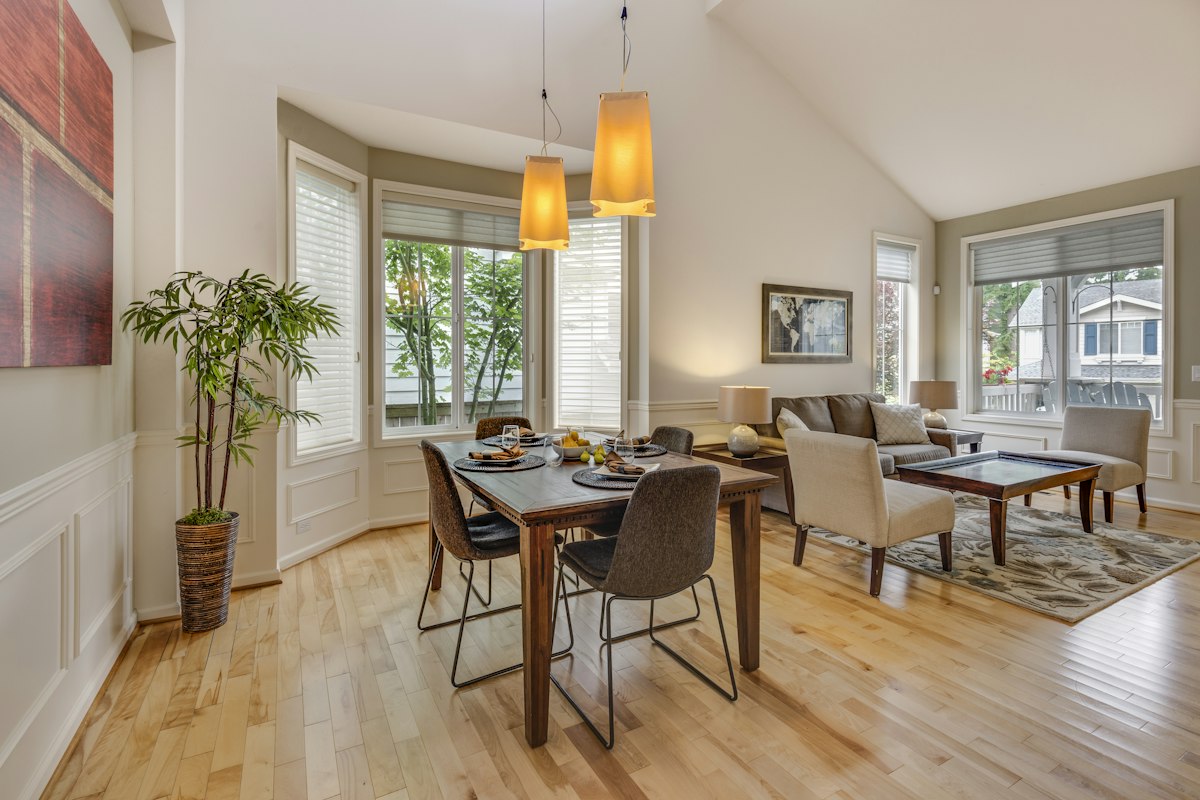
Some out-of-state renters, particularly those on tight timelines, rent completely sight-unseen based on virtual tours and photos.
This carries real risk. Photos lie. Virtual tours can be cherry-picked. You can end up in a unit that looks different in person, is in a neighborhood that does not match your expectations, or has issues the landlord declined to mention.
How to reduce sight-unseen risk:
- Use large, professional property management companies rather than individual landlords for sight-unseen rentals, they have more accountability
- Read every Google and Yelp review for the building
- Ask the landlord to video call you from the unit and walk you through it in real time, unedited
- Ask specifically: "Is there anything about this unit or building that I should know about that is not in the listing?"
- Keep your lease term shorter if possible, a 6-month lease is better than a 12-month lease for a sight-unseen rental
- Take dated photos of the unit condition within 24 hours of move-in and send them to the landlord in writing, this protects your security deposit
Short-term options while you find the right place
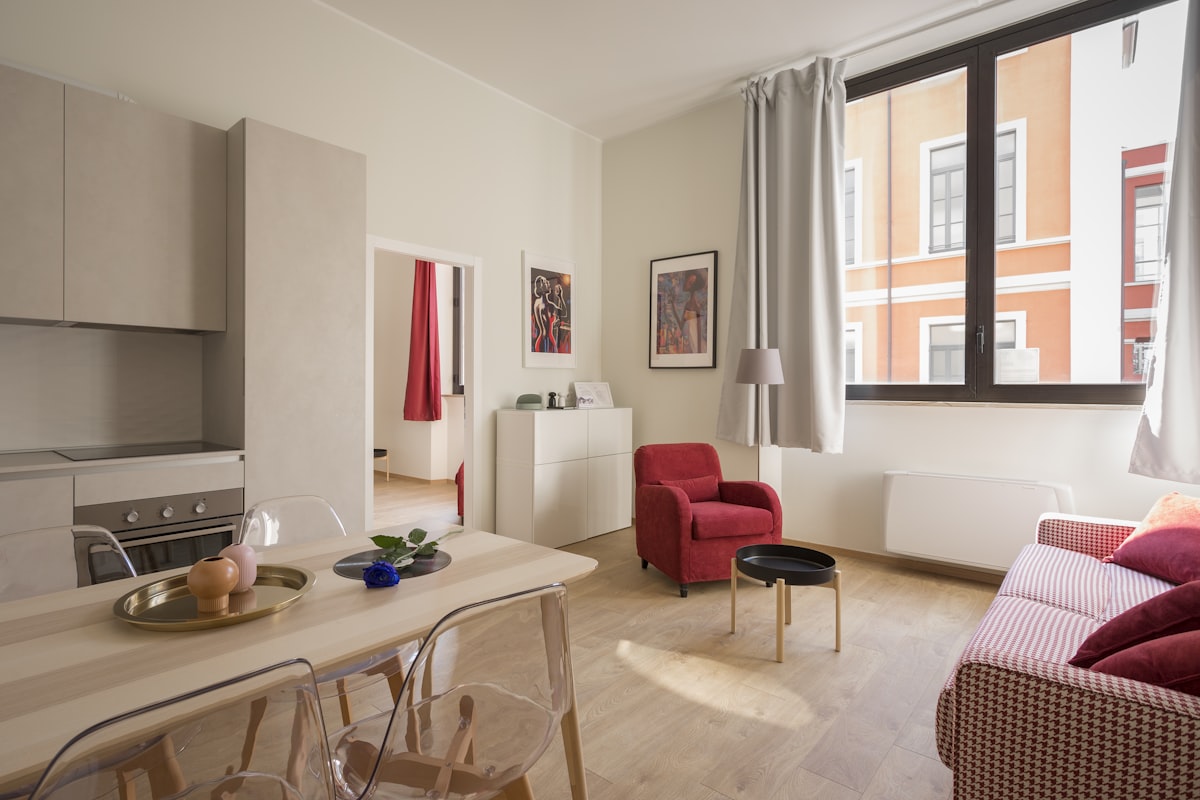
If you cannot find the right apartment before your move or are not confident enough to rent sight-unseen, short-term options let you arrive first and search locally.
Renting an Airbnb for a month or going on a month-to-month basis in your new state can help you settle in while searching for a permanent apartment. Month-to-month furnished rentals typically cost 20-40% more per month than annual leases, but the flexibility is worth it if the alternative is locking into a bad long-term situation.
Short-term rental platforms:
- Furnished Finder: best for 30-90 day furnished rentals, popular with traveling nurses and relocating professionals
- Airbnb: most flexible but most expensive per night
- Facebook Marketplace: often has month-to-month furnished listings that do not appear on major platforms
- Corporate housing companies: most expensive but most reliable for furnished month-to-month
The cost of one or two months in furnished short-term housing is almost always less than the cost of breaking a 12-month lease early.
Checklist: getting an apartment in a new state
4-6 months before:
- Research target neighborhoods using Reddit, Google Street View, YouTube
- Set your budget (rent should be no more than 30% of gross monthly income)
- Check your credit score and fix any issues
2-3 months before:
- Pull together your rental documents: ID, pay stubs, bank statements, offer letter, references
- Start browsing Zillow, Apartments.com, Craigslist, and local Facebook groups
- Request virtual tours for apartments you are serious about
6-8 weeks before:
- Apply to your top choices with complete documentation
- Follow up within 24-48 hours on any application you submit
At signing:
- Review lease carefully before signing
- Confirm move-in date, key pickup process, and parking
- Download signed copy immediately
At move-in:
- Photograph everything on day one and email photos to the landlord
FAQ
How do I get an apartment in a new state without visiting first?
Request a real-time FaceTime or Zoom tour, ask for unedited photos of the current state of the unit, research the neighborhood on Google Street View and Reddit, and use large property management companies rather than individual landlords for better accountability. Sign electronically and keep your first lease term short (6 months if possible) to limit your exposure if the situation does not match the listing.
How far in advance should I start looking for an apartment when moving out of state?
Start researching neighborhoods four to six months before your move. Begin actively applying two to three months before your target move-in date. Most apartments list 30-60 days before availability, so applying earlier than 60 days usually means the unit you want is not yet listed.
What documents do I need to rent an apartment in a new state?
Government-issued photo ID, two most recent pay stubs or proof of income, two to three months of bank statements, a signed employment offer letter if relocating for a new job, previous landlord contact information, and rental references if available. Having all documents ready to submit instantly significantly improves your approval odds in competitive markets.
Can a landlord refuse to rent to someone from out of state?
Landlords can decline any application for non-discriminatory reasons, and some prefer local applicants they can meet. However, most landlords care primarily about verified income, good credit, and rental history. A strong application with clear employment documentation and willingness to pay additional deposit upfront resolves most landlord hesitation about out-of-state applicants.
What if I cannot find an apartment before my move date?
Use short-term furnished housing for one to two months while you search locally. Month-to-month furnished rentals cost more per month but prevent you from locking into a bad long-term situation. Furnished Finder, Airbnb, and Facebook Marketplace are the most useful platforms for 30-90 day furnished rentals.
Related Articles

Why People Hate North Carolina: Hard To Believe
Why is everyone hating on North Carolina? We surveyed over 100 people from this state and put their responses together in this article.

Why People Hate Florida: My Opinion
Why do people hate Florida? Insurance costs, humid, traffic, bugs, and housing. The list of reasons from people who actually live there.

Full Guide On Moving From California 2026
This is the root for all the articles we have written about moving from California to different destinations. If you have ever asked yourself, 'What is the best place to move from California?', then this article is definitely for you. Take your time and enjoy reading it!