Best Places to Live in Florida in 2026: Ranked by Real Data
Best places to live in Florida in 2026 ranked honestly, by cost, safety, schools, job markets, and lifestyle. From Tampa and Jacksonville to Naples and Sarasota, here is how Florida's cities actually compare.
Max Shepard
Staff Writer
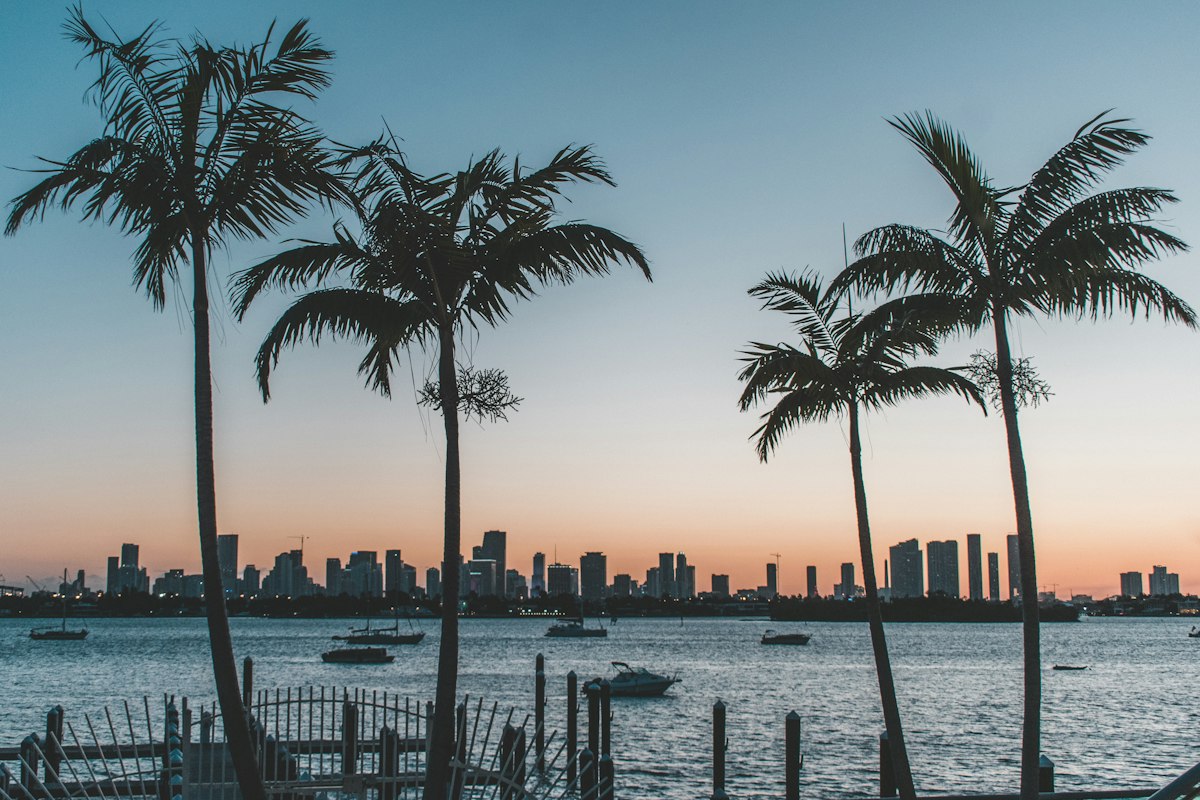
Best places to live in Florida in 2026: the honest comparison
The best places to live in Florida in 2026:
- Tampa Bay, best overall for working professionals, strong job market, balanced cost of living, Gulf Coast access
- Naples, #1 quality of life index per Houzeo (143.86), best Gulf Coast luxury market, top healthcare
- Jacksonville, most affordable major Florida city, median home ~$310,000, Atlantic beaches
- Sarasota, best for retirees and remote workers, arts scene, Gulf beaches, walkable downtown
- Orlando metro, best for families, strong economy beyond theme parks, good schools in suburbs
- St. Augustine, best for remote workers who want walkable history and college-town character
- St. Petersburg, best urban arts and food scene, waterfront, growing tech sector
- Lakeland, most underrated mid-size city, homes average $305,000, central location
- Gainesville, most affordable college town, median home ~$285,000, University of Florida
- Cape Coral, safest large Florida city per 2026 crime data, Gulf Coast access
Florida is the most popular relocation destination in the country. The combination of zero state income tax, warm weather, beach access, and a cost of living that is genuinely lower than New York or California drives consistent inbound migration. But Florida is not one place, the difference between living in Jacksonville and living in Miami is roughly the same as the difference between living in Charlotte and living in New York City.
This guide compares Florida's cities honestly, by the numbers that actually matter for people making a permanent move.
Florida's universal advantages: why the whole state wins on taxes
Before the city comparisons, the state-level picture matters.
Zero income tax: Florida has no state income tax and no tax on any retirement income including Social Security, pensions, 401(k) distributions, and investment gains. For people relocating from California (up to 13.3%), New York (up to 10.9%), or any income-tax state, this creates immediate annual savings.
No estate tax: Florida has no estate tax, making it particularly valuable for wealth transfer planning.
Homestead exemption: Florida's Homestead Exemption reduces your property's taxable value by up to $50,000. The Save Our Homes provision then caps annual assessment increases at 3% per year, protecting long-term homeowners from runaway tax bills as property values rise.
The insurance offset: Florida homeowners insurance is the highest in the country, averaging $3,750-$6,000+ per year statewide and exceeding $10,000 in high-risk coastal areas. This is the main financial variable that can absorb or eliminate the tax savings depending on location. Inland buyers face dramatically lower insurance rates than coastal buyers.
For the full financial picture of moving to Florida, see our no income tax states guide.
Quick reference: Florida's major cities compared
| City | Median home price | Avg 1BR rent | Cost of living | Best for |
|---|---|---|---|---|
| Tampa | ~$430,000 | ~$1,800 | Moderate | Working professionals, families |
| Jacksonville | ~$310,000 | ~$1,500 | Below FL avg | Affordability, families |
| Orlando (suburbs) | ~$388,000 | ~$1,700 | Moderate | Families, tech workers |
| Sarasota | ~$480,000 | ~$2,000 | Above FL avg | Retirees, remote workers |
| Naples | ~$650,000+ | ~$2,400 | High | Retirees, high earners |
| St. Petersburg | ~$400,000 | ~$1,800 | Moderate | Young professionals, arts |
| Lakeland | ~$305,000 | ~$1,400 | Below FL avg | Value, families |
| Gainesville | ~$285,000 | ~$1,300 | Low | Students, retirees, remote |
| Cape Coral | ~$370,000 | ~$1,600 | Moderate | Families, safety-focused |
| St. Augustine | ~$420,000 | ~$1,800 | Moderate | Remote workers, history |
1. Tampa Bay: best overall Florida city for working professionals

Tampa is often considered one of the best overall choices because it offers a strong job market, a relatively balanced cost of living, and a high quality of life. Tampa works for those who want Florida's big-city energy without Miami's extreme cost of living.
The Tampa Bay metro encompasses Tampa, St. Petersburg, and Clearwater across Hillsborough, Pinellas, and Pasco counties. The diversity of neighborhoods, price points, and lifestyle options within this metro makes it the most versatile Florida destination.
Job market: Raymond James Financial, Citigroup, WellCare, HCA Healthcare, Publix (distribution), and a growing tech sector anchor the employment base. Tampa's financial services sector has expanded significantly as firms relocated from New York. The unemployment rate is among the lowest in Florida.
Cost: Median home prices in the Tampa metro run approximately $430,000, elevated but meaningfully below Miami and Naples. One-bedroom rents average $1,800 per month. Homeowners insurance runs higher than inland Florida but below South Florida's extreme coastal rates.
Lifestyle: The 2.6-mile Tampa Riverwalk follows the Hillsborough River past restaurants, bars, and cultural venues. The Florida Aquarium covers saltwater and freshwater ecosystems including river otters and sea turtles. Clearwater Beach, consistently rated one of the best beaches in the country, is 30 minutes west. The Tampa Bay Buccaneers (NFL) and Lightning (NHL) give the city professional sports culture.
Best neighborhoods: Hyde Park and South Tampa for walkable urban character. South Howard (SoHo) for nightlife. Seminole Heights for historic character at accessible prices. Westchase and Carrollwood for families wanting suburban infrastructure.
Best for: finance and healthcare professionals, families who want suburban access with urban options, people moving from the Northeast who want warm weather and a real job market.
2. Jacksonville: best affordable major Florida city

Jacksonville is Florida's largest city by area and its most affordable major metro. Jacksonville, Lakeland, and Gainesville offer the lowest cost of living among Florida's major metropolitan areas with median home prices under $325,000.
With median home prices around $310,000 and one-bedroom rents averaging $1,500, Jacksonville allows genuine homeownership for middle-class households in a way that Miami or Tampa do not. The Atlantic beaches at Atlantic Beach, Neptune Beach, and Ponte Vedra are 20-30 minutes from most city addresses.
Job market: The Mayo Clinic Jacksonville campus is one of the city's anchor employers. Banking, insurance, logistics, and military (Naval Station Mayport and Naval Air Station Jacksonville) provide stable employment across multiple sectors.
Insurance advantage: Jacksonville's location on the northern Atlantic Coast puts it in a significantly lower hurricane risk zone than South Florida and produces insurance premiums dramatically below Miami or Tampa rates. This is one of Jacksonville's most underappreciated financial advantages.
For New York transplants: Jacksonville is one of the top destinations for New York and Northeast residents who want the full Florida financial advantage without South Florida's prices. See our moving from NYC to Florida guide for the full comparison.
Best for: families on tight budgets, remote workers maximizing financial improvement, retirees who want Florida's tax advantages without premium prices, military families.
3. Sarasota: best for retirees and remote workers

Sarasota consistently appears in top-5 lists for Florida retirees and increasingly for remote workers who want cultural richness alongside beach access. Sarasota is consistently ranked among the best places to retire thanks to its walkable neighborhoods, cultural activities, and high-quality healthcare. Sarasota Memorial Health Care System provides specialized senior care, while the Sarasota Senior Friendship Centers host daily fitness, art, and social programs.
Sarasota has cultural infrastructure that most Florida cities cannot match. The Ringling Museum of Art, the Sarasota Opera, the Van Wezel Performing Arts Hall, and a thriving gallery scene make it one of the most culturally rich mid-size cities in the Southeast.
Siesta Key Beach, consistently rated among the top beaches in the country for its powdery white quartz sand, is 20 minutes from downtown. The quality of the beach alone draws people who have traveled Florida extensively.
Median home prices in Sarasota run approximately $480,000. One-bedrooms average $2,000 per month. The cost is above the state average but the lifestyle quality justifies the premium for people who prioritize culture and beach access.
Best for: retirees who want arts and culture alongside beach access, remote workers with coastal California salaries who want a cultural peer for less money, healthcare-conscious buyers (Sarasota Memorial is excellent).
4. Orlando metro: best for families

Orlando's international reputation is based on theme parks. The resident experience is based on an economy that has diversified well beyond tourism into technology, simulation, healthcare, and aerospace.
Miami leads in finance and international trade, Tampa excels in Fortune 500 corporate presence, and Orlando leads Florida in family infrastructure and school quality in its suburbs. Winter Park, Lake Nona, Dr. Phillips, and Windermere consistently rank among the best family communities in Florida.
The Lake Nona medical city has attracted Nemours Children's Hospital, the UCF College of Medicine, and significant research infrastructure that has created a healthcare employment cluster rivaling Tampa.
Orlando median home prices sit around $388,000 with one-bedrooms averaging $1,700. The suburbs run slightly higher. The University of Central Florida (UCF), the largest university in the country by enrollment, creates a young professional pipeline.
For families: Orange County and Seminole County school districts outperform the state average significantly. Lake Nona's planned community offers family infrastructure at premium prices. Winter Park has the best combination of walkability and school quality in the metro.
Best for: families with children who want suburban quality and school options, tech and simulation industry professionals, healthcare workers at the Lake Nona medical city, anyone who wants Florida's tax advantages with strong suburban infrastructure.
5. Naples: best overall quality of life

Naples ranks as the best place to live in Florida, with a high Quality of Life Index of 143.86, strong job opportunities in healthcare and professional services, and easy access to Gulf Coast beaches.
Naples sits on Florida's southwest Gulf Coast with some of the whitest sand beaches in the state. The city is consistently affluent and consistently well-run: low crime, excellent healthcare at NCH Baker Hospital, a walkable Fifth Avenue South shopping and dining district, and a lifestyle that combines outdoor access with genuine cultural offerings.
The financial profile of Naples is premium. Median home prices exceed $650,000 and luxury properties routinely exceed $2 million. This is a destination for high-net-worth buyers who want the best Florida has to offer, not a starter city.
Best for: retirees with significant assets who want the premier Gulf Coast lifestyle, high earners in healthcare and professional services, buyers using California or Northeast home equity who want Florida's finest.
6. St. Petersburg: best arts and culture city
St. Petersburg sits on a peninsula between Tampa Bay and the Gulf of Mexico, and has developed one of the most culturally vibrant small-city scenes in Florida. The Dali Museum, the Museum of Fine Arts, the Chihuly Collection, and a gallery district along Central Avenue make St. Pete genuinely different from other Florida cities.
The downtown waterfront has seen significant development. The Grand Central District has independent restaurants and bars that feel nothing like the chain-restaurant suburban Florida stereotype. One-bedroom rents average $1,800 per month, comparable to Tampa but in a setting with more walkable urban character.
Best for: young professionals and creatives who want urban culture, remote workers who want a walkable downtown, arts-oriented retirees who want something more interesting than the typical Florida retirement community.
7. Lakeland: Florida's most underrated mid-size city

Homes average $305,000 according to Zillow, and rent remains below the Florida metro average. Downtown Lakeland is full of local businesses and walkable streets. Career landscape is strong in logistics, education, healthcare, and aviation. It is also home to Publix HQ, one of the largest private employers in the state.
Lakeland sits between Tampa (45 minutes west) and Orlando (45 minutes east), giving residents access to both metros' job markets from a city that costs significantly less than either. The city has 38 lakes within city limits, a walkable historic downtown, and a genuine community character that larger Florida cities have lost to development pressure.
You get easy access to Orlando's jobs and Tampa's entertainment, but you live in a place that still feels grounded and community-oriented.
Florida Polytechnic University (the state's newest public university, focused on STEM) is located in Lakeland and has begun creating a tech ecosystem. For people who want to be in Florida without paying Tampa or Orlando prices, Lakeland is the clearest recommendation.
Best for: families on value-focused budgets, logistics and supply chain professionals (Publix HQ and significant distribution infrastructure), remote workers who want affordability with access to two major metros.
8. Cape Coral: safest large city in Florida

Cape Coral earns an A crime grade across all seven crime categories and tops DoorProfit's 2026 safest large cities ranking in Florida. The city of 649,000 residents is built on a canal system with more navigable waterways than any other city in the world, 400 miles of canals provide boat access for a significant portion of homes.
The cost of living is moderate, median home prices around $370,000, and the Gulf of Mexico beaches at Fort Myers Beach and Sanibel Island are 30 minutes away.
Important note: Cape Coral and the Fort Myers area took significant damage from Hurricane Ian in 2022. Recovery has been substantial, but hurricane risk in this area is real and homeowners insurance costs reflect it. Research flood zone designations and insurance costs carefully before buying.
Best for: families who prioritize safety above all other criteria, boating enthusiasts who want water access from their home, buyers who want Gulf Coast proximity at below-Naples prices.
9. Gainesville: most affordable Florida option

Gainesville offers the lowest entry point of any Florida city with genuine amenities. Home to the University of Florida, Gainesville combines college-town culture with affordable living. Median prices around $285,000 and lower overall costs make this appealing for young professionals and retirees who prioritize intellectual stimulation over beach access.
The University of Florida creates a permanent infrastructure of arts, sports, dining, and intellectual life that most cities its size cannot sustain. Shands Hospital (UF Health) is a major employer and research institution. One-bedrooms average $1,300 per month.
Gainesville is 90 minutes from Jacksonville and 2 hours from Tampa. It is not a beach city, beaches require a 75-90 minute drive. For people who specifically want beach proximity, Gainesville is not the right choice. For people who want to maximize the financial advantage of Florida's zero income tax while minimizing housing costs, Gainesville delivers the clearest case.
The hurricane and insurance reality
Any honest Florida guide must address this directly. All coastal Florida faces hurricane risk, but probability and typical storm strength vary. Southeast Florida (Miami through West Palm Beach) faces higher frequency of strong hurricanes due to Bahamas proximity.
Florida homeowners insurance is the highest in the country. Carriers have been filing 7-11% rate reductions in 2026 following tort reform legislation, but costs remain significantly elevated. The general pattern:
- Inland cities (Lakeland, Gainesville, Orlando suburbs): substantially lower insurance than coastal markets
- Northern Atlantic Coast (Jacksonville, St. Augustine): lower than South Florida, moderate overall
- Gulf Coast (Tampa Bay area): elevated, improving
- South Florida (Miami, Fort Lauderdale, Palm Beach): highest insurance costs, most hurricane exposure
- Southwest Gulf (Naples, Cape Coral, Fort Myers): significant hurricane exposure; Ian's 2022 impact is recent history
For buyers specifically, the flood zone designation of the property matters as much as the city. Standard homeowners insurance does not cover flooding, flood insurance is a separate policy required in many Florida zip codes.
Best places by specific profile
For retirees: Sarasota, Naples, The Villages (if you want the quintessential retirement community experience), St. Augustine. All offer Florida's zero tax on retirement income with strong healthcare infrastructure.
For families: Orlando suburbs (Lake Nona, Winter Park), Tampa suburbs (Westchase, Carrollwood), Jacksonville suburbs (Ponte Vedra Beach area), Cape Coral for safety.
For young professionals: Tampa, St. Petersburg, Orlando, Jacksonville. All have growing job markets at accessible prices relative to coastal metros.
For remote workers: Sarasota and St. Augustine offer the best combination of cultural richness and livability. Gainesville and Lakeland maximize financial value. Tampa and St. Pete offer urban lifestyle with remote work infrastructure.
For maximum financial optimization: Jacksonville delivers the best combination of zero income tax, low housing costs, and lower-than-average insurance due to its northern position.
For the full picture of moving to Florida from other states, see our moving from California to Florida guide and our moving from NYC to Florida guide.
FAQ
What is the best place to live in Florida in 2026?
The best place to live in Florida is Naples. It ranks first for overall quality of life with a score of 143.86 per Houzeo's 2026 analysis. Tampa is the best overall city for working professionals balancing cost, job market, and lifestyle. Jacksonville is the best major city for people prioritizing affordability. Sarasota is the top choice for retirees and remote workers who want cultural richness. The right answer depends on your career, budget, and lifestyle priorities.
What is the most affordable city in Florida?
It is Gainesville. This city has the lowest median home prices of any Florida city with real amenities, at approximately $285,000. Lakeland follows at $305,000 and Jacksonville at $310,000. These three cities offer the best entry points for people who want Florida's zero income tax at accessible housing costs.
Where should I live in Florida to avoid hurricanes?
It is no part of Florida that is hurricane-proof. The lowest-risk areas include Gainesville, Ocala, and other inland Central Florida cities, and Jacksonville and the northern Atlantic Coast, which faces lower storm frequency and intensity than South Florida. Avoid purchasing in flood zones regardless of city. Every Florida homeowner should research their specific property's flood zone and storm surge risk.
What is the best Florida city for families?
The best for families are Orlando's suburbs (Lake Nona, Winter Park, Windermere) and Tampa's suburbs (Westchase, Carrollwood) consistently produce the best family rankings for school quality and community infrastructure. Cape Coral ranks as Florida's safest large city. Naples and Coral Gables offer the best combination of safety and school quality for families with larger budgets.
Is Florida a good place to live overall?
Yes, surely it is. For people motivated by zero income tax, warm weather, beach access, and no estate tax, Florida ranks among the best states in the country. The main considerations are homeowners insurance costs (particularly coastal), hurricane risk, and summer heat and humidity. The financial advantages are most powerful for retirees, high earners, and people relocating from high-tax states like California and New York. See our best states to retire guide and our best states with no income tax guide for the broader state comparison.
Related Articles

Why People Hate North Carolina: Hard To Believe
Why is everyone hating on North Carolina? We surveyed over 100 people from this state and put their responses together in this article.

Why People Hate Florida: My Opinion
Why do people hate Florida? Insurance costs, humid, traffic, bugs, and housing. The list of reasons from people who actually live there.

Full Guide On Moving From California 2026
This is the root for all the articles we have written about moving from California to different destinations. If you have ever asked yourself, 'What is the best place to move from California?', then this article is definitely for you. Take your time and enjoy reading it!